BOTOX VS FILLERS
September 24, 2026
Which Treatment Is Right for You?
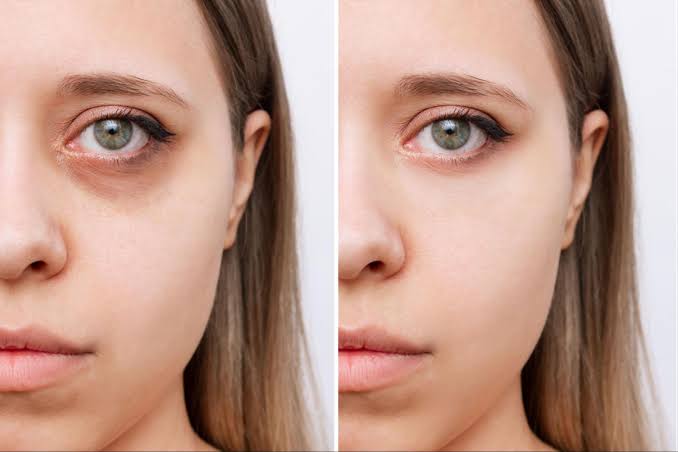
The under-eye area can be one of the first places to show signs of fatigue, aging and volume changes. Dark circles, hollowness, fine lines and delicate skin can all contribute to a tired-looking appearance—but not all under-eye concerns have the same cause.
That’s why under-eye treatments at Quench aren’t one-size-fits-all.
Two approaches that are often considered are PRP (Platelet-Rich Plasma) and under-eye dermal fillers. While both can help create a more refreshed appearance, they work in very different ways.
The key is understanding what your under-eyes actually need.
PRP Under the Eyes: Improve Skin Quality
PRP uses a concentrated portion of your own blood that contains platelets and naturally occurring growth factors. When used appropriately around the under-eye area, the goal is to support skin quality and encourage the body’s natural regenerative processes.
Rather than adding volume, PRP focuses on improving the quality and appearance of the delicate skin.
PRP may be considered for:
- Dark circles
- Thin or crepey skin
- Fine lines
- Dull or tired-looking under-eyes
- Changes in skin texture and tone
What can PRP help with?
PRP treatments are intended to support:
- Collagen and elastin production
- Skin thickness and resilience
- Overall skin texture
- More even-looking tone
The result
The goal is brighter, healthier-looking under-eye skin without adding artificial volume.
PRP is therefore more about regeneration and skin quality than filling a hollow.
Under-Eye Filler: Restore Lost Volume
Under-eye filler addresses a different concern.
When the area beneath the eyes loses volume or has a naturally pronounced tear trough, the resulting hollow can create shadows that make the eyes appear tired or sunken.
A carefully planned filler treatment can restore volume in appropriate candidates and soften the transition between the under-eye and cheek.
Under-eye filler may be considered for:
- Hollow under-eyes
- Pronounced tear troughs
- Shadowing associated with volume loss
- Loss of definition between the lower eyelid and cheek
What does filler do?
Dermal filler can:
- Restore volume
- Smooth the appearance of hollows
- Soften the under-eye-to-cheek transition
- Reduce the appearance of shadows caused by volume loss
The result
The objective is a smoother, more rested and refreshed appearance while maintaining facial balance.
Importantly, under-eye filler isn’t simply about adding volume. The right candidate, product selection, placement and amount all matter when treating such a delicate area.
PRP vs. Filler: What’s the Difference?
The simplest way to understand the distinction is:
PRP → improves skin quality
Filler → restores volume and structure
Or simply:
One regenerates. One fills.
Neither treatment is automatically the right choice for every person. Your under-eye concern needs to be assessed first.
Understanding What Your Under-Eyes Need
Dark circles are particularly important to assess because they can have different underlying causes.
1. Hollowing or Volume Loss
What it may look like:
A sunken appearance, visible tear trough or shadow beneath the eyes.
Approach that may be considered:
Under-eye filler
Filler can help restore appropriate volume and soften the transition between the lower eyelid and cheek.
2. Pigmentation or Dark Circles
What it may look like:
Brown, purple or uneven-looking discoloration beneath the eyes.
Approach that may be considered:
PRP, skincare or laser-based treatments, depending on the underlying cause.
In these cases, simply adding volume may not address the primary concern. Improving skin quality and pigmentation can be a more relevant part of the treatment plan.
3. Thin or Crepey Skin
What it may look like:
Fine lines, delicate skin and a crepey texture that becomes more noticeable with movement or dehydration.
Approach that may be considered:
PRP or PRF
These treatments focus on supporting skin quality and collagen rather than adding volume.
4. Mixed Under-Eye Concerns
What it may look like:
A combination of hollowness, pigmentation, thin skin and fine lines.
This is extremely common.
When multiple concerns are present, a single treatment may not address everything. A customized treatment plan may combine approaches, potentially using PRP and filler at different stages when clinically appropriate.
The goal isn’t to treat every concern at once. It’s to address the right concern with the right approach.
Why Your Under-Eye Treatment Should Be Customized
The under-eye area is delicate, and what appears to be a simple concern such as “dark circles” can have several contributing factors.
Two people may both have dark-looking under-eyes but require completely different approaches.
One may have primarily pigmentation. Another may have significant hollowness and shadowing. Someone else may have thin, crepey skin.
That’s why treatment should begin with an assessment rather than simply choosing between PRP and filler.
At Quench, the focus is on understanding your facial structure, skin quality and individual concerns before recommending a treatment.
Not Sure Whether You Need PRP or Filler?
You don’t have to figure it out yourself.
Dr. Giselle Villar can assess your under-eye area and help determine whether PRP, filler, another treatment, or a combination approach may be appropriate for your concerns.
The goal is a plan that feels:
- Thoughtful
- Customized
- Natural
- Aligned with your facial features
Because when it comes to the under-eyes, the right treatment isn’t about adding more—it’s about understanding what your face actually needs.
Ready to Explore Your Options?
Book a consultation with Dr. Villar at Quench to discuss your under-eye concerns and discover a treatment approach tailored to you.